Waterloo Station rubbish collection for commuters
Posted on 27/07/2026
If you commute through Waterloo Station, you already know the rhythm: the platform bustle, the coffee cup in one hand, the bag strap slipping off the other, and that tiny moment of dread when you realise you've got something bulky, awkward, or just plain messy to get rid of. Waterloo Station rubbish collection for commuters is really about making that part of the journey easier, cleaner, and less stressful. Whether you're carrying office clutter, takeaway packaging, unwanted office bits, or a single item you do not want dragging home on the train, the right collection approach saves time and avoids hassle.
That matters more than people think. Around a major station, waste can get in the way fast: it slows you down, creates pressure on bins that are already working hard, and can turn a simple commute into a faff. This guide walks through how commuter-focused rubbish collection works, who it helps, what to avoid, and how to choose a sensible, safe option without overcomplicating things. And yes, there is a right way to do it.

Contents
- Why Waterloo Station rubbish collection for commuters matters
- How Waterloo Station rubbish collection for commuters works
- Key benefits and practical advantages
- Who this is for and when it makes sense
- Step-by-step guidance
- Expert tips for better results
- Common mistakes to avoid
- Tools, resources and recommendations
- Law, compliance, standards, or best practice
- Options, methods, or comparison table
- Case study or real-world example
- Practical checklist
- Conclusion
- Frequently asked questions
Why Waterloo Station rubbish collection for commuters Matters
Waterloo is one of those places where the volume of movement never really drops. Early morning commuters, weekend visitors, office workers, students, theatre-goers, people heading for meetings, people coming back late with shopping bags... it all adds up. Waste builds up around that kind of footfall, and commuters feel it in small but annoying ways: overflowing bins, litter around exits, awkward items that do not fit anywhere, and the general sense that everything is moving too fast for rubbish to be handled neatly.
For commuters, rubbish collection is not just a cleanliness issue. It is a time issue, a convenience issue, and sometimes a safety issue. A crumpled bag or broken box might look harmless, but when you are balancing a laptop, a coffee, and a train ticket, the last thing you need is to wrestle with waste on a crowded concourse. That is especially true if you are trying to dispose of office waste, packaging from a move, or items you do not want to drag back across London.
There is also the image side of it. Stations are shared spaces. When rubbish is managed well, the whole journey feels calmer. When it is not, you notice it immediately. A tidy station environment is one of those things people only praise when it is missing. Fair enough, really.
If your rubbish issue is larger than a standard bin drop, a broader Waterloo rubbish collection service is usually the more practical route, especially for commuters with limited time between arrivals and departures.
How Waterloo Station rubbish collection for commuters Works
In plain English, commuter rubbish collection is about getting waste removed in a way that fits around station travel, office hours, and busy local streets. It is usually designed for people who need something more flexible than a public bin and less disruptive than trying to sort everything out themselves later.
For commuters, the process often starts with identifying the waste type and the timing. Is it a small bag of general rubbish? A box of packaging from a desk move? Old furniture from a nearby office? Mixed waste from a flat or workplace near the station? The answer changes the best method. A good collection plan should match the load, the urgency, and the access conditions around Waterloo.
Most people do best with a simple approach:
- Separate what can be reused, recycled, or kept.
- Put the waste into manageable bags, boxes, or piles.
- Choose a collection window that fits your commute, not the other way round.
- Make sure access is clear, especially if the waste is coming from a flat, office, or storage area nearby.
- Confirm how the waste will be handled, particularly if you want responsible recycling or specialist disposal.
That last point matters. Not all rubbish is the same. Cardboard, mixed office waste, old chairs, and general junk all need slightly different handling. If you are dealing with a larger item, you may want to look at furniture disposal in Waterloo or even a broader junk removal option if the waste is a bit of a mixed bag.
And if the rubbish is coming from a workplace near the station, especially after clearing desks or storage, office clearance in Waterloo may be the more efficient route. You do not need to make everything a big project. Sometimes it is just a straightforward collection job, done properly.
Key Benefits and Practical Advantages
The biggest benefit is obvious: you save time. But to be fair, that is only the start. The real advantage is that commuter rubbish collection removes friction from your day. No hauling awkward waste through the station. No waiting until you get home and remembering it three days later. No stacking things in a corner hoping they will magically vanish. They rarely do.
Here are the benefits that matter most in practice:
- Less carrying around: ideal if you travel with a laptop, luggage, shopping, or childcare items already taking up your hands.
- Cleaner travel: you avoid bringing dusty, smelly, or messy items onto trains and buses.
- Better station flow: smaller, better-managed waste volumes help reduce clutter and stress around the station.
- Flexible timing: collection can be planned around morning arrival, lunchtime gaps, or evening departures.
- Better recycling outcomes: separating waste correctly can improve what gets reused or recycled rather than just tipped together.
- Reduced risk of damage: awkward items are less likely to tear bags, spill, or make a mess on the journey.
For many commuters, the hidden benefit is peace of mind. You arrive, sort the issue, and move on. That is worth a lot on a Monday morning.
If you are comparing broader support options, the full services overview can help you see where commuter-focused collection sits alongside clearance, disposal, and waste removal choices.
Who This Is For and When It Makes Sense
Not every commuter needs rubbish collection at Waterloo Station, obviously. But if you recognise yourself in any of the situations below, it starts making a lot of sense.
- Office workers carrying out a desk clear-out, paperwork purge, or chair replacement.
- Regular commuters who bring items from home to work and need a simple disposal route after the fact.
- People moving flats near Waterloo who are juggling household rubbish with a busy travel schedule.
- Landlords and letting agents dealing with leftover waste from a changeover.
- Event organisers clearing party waste after a Waterloo gathering, especially when the station is the main route home.
- Small businesses needing regular waste movement without disrupting the workday.
There are also moments when it makes sense even if the waste itself is not large. You might only have a few items, but if they are awkward, smelly, fragile, or just time-consuming to carry, the collection service becomes the easier choice. Honestly, that is often where the value is.
Commuters near Waterloo often live and work in tight schedules. If you are weighing whether the area suits your day-to-day life, the blog piece on whether Waterloo is ideal for residents is a useful local read, and the Waterloo area guide gives a broader feel for the neighbourhood.
Step-by-Step Guidance
If you want the process to go smoothly, keep it simple and structured. The more rushed the commute, the more useful a calm little plan becomes.
1. Identify the waste clearly
Start by deciding whether you have general rubbish, recyclables, office waste, furniture, garden cuttings, or mixed junk. This is not glamorous work, but it saves headaches later.
2. Estimate the size and weight
Ask yourself: could I carry this comfortably for ten minutes? If the answer is no, treat it as a proper collection item rather than trying to improvise. That little thought saves a lot of back pain, and probably a few swears.
3. Sort anything reusable
Separating reusable items before collection helps reduce waste and may make the rest easier to manage. It also makes the collection job tidier. A box of reusable cables is easier to deal with than a mystery tangle of old tech.
4. Choose the right service type
For mixed waste, rubbish clearance in Waterloo is often the broadest fit. If the job is just transportable waste in a simple format, waste removal in Waterloo may be enough. For larger domestic jobs, house clearance in Waterloo is worth considering.
5. Plan the timing around your commute
Try to avoid a collection slot that collides with your tightest travel window. A ten-minute delay can become stressful very quickly if you are already threading through platform crowds. Morning, lunch, and late afternoon all have different pressure points, so be realistic.
6. Prepare access
Clear hallways, lifts, entrances, or loading points where possible. The smoother the access, the less disruptive the collection feels. That is especially helpful in busy central London settings.
7. Confirm disposal expectations
Ask how the waste will be handled. Responsible disposal, sorting, and recycling should be part of the conversation, not an afterthought. If sustainability matters to you, check the provider's approach to recycling and sustainability.
8. Keep documents and instructions handy
If you are arranging collection for a workplace, a building manager, or a managed property, it helps to have access instructions, contact details, and any building rules ready in advance. Simple, but useful.
Expert Tips for Better Results
Here is the thing: the best rubbish collection outcomes usually come from a bit of planning, not from scrambling at the last minute. Little choices make a big difference.
- Use clear categories. Put cardboard with cardboard, soft waste with soft waste, and anything special in its own pile. It keeps things tidy and helps with recycling.
- Label anything odd. If there is one box with sharp edges, cables, or mixed bits, say so. It avoids confusion on the day.
- Keep public spaces clear. Around Waterloo, you do not want bags sitting in walkways or by exits. It just creates friction for everyone.
- Think about weather. London rain can turn cardboard into mush in a matter of minutes. If you have ever seen a soggy box collapse on a pavement, you'll know exactly what I mean.
- Choose the right service for the size of the job. A small collection is not the same as a full clearance, and trying to force the wrong option usually costs more in time than it saves.
- Book early for busy days. Fridays and end-of-month periods can get hectic around stations and offices alike.
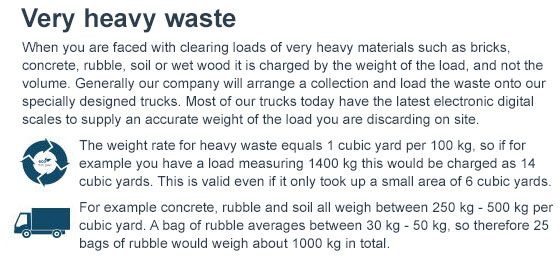
If your waste includes a building or renovation element, especially from a nearby property or shop, it may be better handled through builders waste clearance in Waterloo rather than a standard general rubbish booking. That distinction matters more than people think.
Expert summary: The smoothest commuter rubbish collection is the one you barely have to think about. Sort early, label clearly, book a sensible window, and avoid mixing different waste types unless you know that is accepted. Simple is usually best.

Common Mistakes to Avoid
Most problems with commuter rubbish collection are avoidable. That is the good news. The bad news? They are usually avoidable in very ordinary ways.
- Leaving waste too late. If you wait until the bag is bursting or the pile is spreading, everything becomes more awkward.
- Assuming all rubbish is the same. Office waste, furniture, green waste, and mixed junk all need different handling.
- Forgetting access rules. Lifts, loading bays, narrow entrances, and building restrictions can all affect timing.
- Mixing fragile and sharp items. That is how bags split and people get annoyed.
- Blocking station routes. Anything left in the wrong place can create safety issues and may simply be removed or moved on.
- Choosing the cheapest option without checking fit. A low headline price can become expensive if the service is not right for your actual waste.
One more thing: do not assume a station bin is the answer for anything beyond very small personal litter. That is not what commuter rubbish collection is for, and in busy places it can make matters worse rather than better.
Tools, Resources and Recommendations
You do not need fancy equipment, but a few basics make everything easier. Most commuters already have enough to carry, so the goal is to reduce fuss rather than add to it.
- Sturdy bin bags or sacks: helps prevent tearing during transport.
- Reusable crates or boxes: good for papers, office items, or lighter mixed waste.
- Tape and labels: useful for marking contents and keeping lids shut.
- Gloves: sensible if you are moving dusty, sharp, or dirty items.
- Phone notes or checklist: handy for remembering what is going and what is staying.
- Photos of the waste: useful when requesting an estimate or explaining the load.
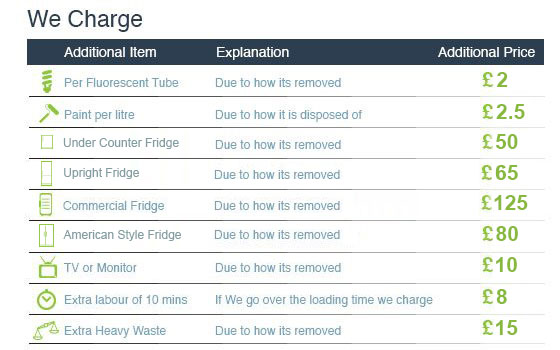
For pricing questions, the most practical place to start is the pricing and quotes page, especially if you want a clearer sense of how the job is assessed. If you are comparing service quality and company approach as well, the about us page can help you judge the tone and focus of the business.
And if you have a mix of loose items, broken goods, or clutter from several areas of a property, a more flexible junk removal service can save you from sorting everything into too many little piles. Sometimes that is the whole point.
Law, Compliance, Standards, or Best Practice
When rubbish is collected near a major station, compliance and good practice are not just nice-to-haves. Waste should be handled responsibly, and anyone arranging collection should be careful about where it goes and how it is stored before removal. In the UK, duty of care principles apply to waste management, which in practical terms means you should use a service that handles disposal properly and keeps records where appropriate.
For commuters, the most relevant best practices are straightforward:
- do not leave waste in public walkways or station entrances;
- do not block fire exits, lifts, or shared access routes;
- keep sharp, heavy, or dirty items secured;
- separate recyclable material where possible;
- use a provider that follows sensible safety and disposal procedures;
- follow building rules if the collection is from an office or residential block nearby.
If the waste comes from a workplace, there may also be internal building policies, landlord rules, or access arrangements to consider. That is usually more of a practical issue than a legal one, but it matters. A tidy, compliant setup saves time and avoids embarrassing back-and-forth with reception or security.
Safety also matters. If lifting involves awkward furniture, broken items, or tight stairs, it is better to let trained people handle it. The company's insurance and safety information is worth checking if you want peace of mind before booking. Not the exciting part, but definitely the sensible part.
Options, Methods, or Comparison Table
There is more than one way to deal with commuter waste around Waterloo. The right choice depends on size, urgency, and how much effort you want to spend. Here's a plain comparison.
| Option | Best for | Pros | Watch-outs |
|---|---|---|---|
| Take it home and bin it later | Very small, safe personal waste | No booking needed | Clumsy, time-consuming, easy to forget |
| Use station bins for personal litter | Single cups, wrappers, tiny items | Quick and simple | Not suitable for larger or mixed rubbish |
| Arrange rubbish collection | Commuters with bags, boxes, or multiple items | Convenient, flexible, less hassle | Needs planning and the right service fit |
| Book waste removal | Larger general waste volumes | Good for mixed loads and larger clear-outs | May require better preparation |
| Book skip hire | Projects with ongoing or heavier waste | Useful for larger jobs | Less ideal for tight commuter schedules and limited space |
For many commuters, the most practical answer is not the biggest one. It is the one that fits the reality of the week. If you need a fast, flexible solution close to the station, a tailored collection beats dragging stuff around all evening. Simple as that.
If you are deciding between disposal methods for a larger household load, the skip hire in Waterloo page may help you compare what is suitable for a bigger project versus a commuter-friendly pickup.
Case Study or Real-World Example
Picture a weekday evening. A commuter finishes work near Waterloo, collects a couple of flat-pack boxes, a broken desk chair, and a bag of old paperwork from a small office store room. They are due on a train in under an hour. Carrying everything home would be annoying at best and a complete pain at worst. Squeezing it onto the platform would be even worse.
Instead, the waste is sorted before the appointment: cardboard separated, paperwork bagged, the chair set aside for disposal, and a clear access point arranged. The collection happens while the commuter grabs a late tea nearby. No messing around with crowded carriages. No trying to balance a wobbly box with an elbow. No leaving rubbish "for later" and hoping future-self is somehow more organised. Future-self usually is not.
That kind of scenario is common around Waterloo because the area mixes transport, offices, homes, and busy leisure traffic. Even a small job can feel bigger when you are working around rail timetables and city noise. When collection is organised well, the result is almost invisible. Which is exactly how people tend to like it.
Practical Checklist
Use this quick checklist before you book or hand over waste near Waterloo Station:
- Have you identified the type of rubbish clearly?
- Have you separated recyclables, reusable items, and general waste?
- Do you know whether the waste is small, mixed, bulky, or specialist?
- Is access to the collection point clear and safe?
- Have you checked timing against your commute?
- Are you confident the service matches the size of the job?
- Do you need office, house, furniture, or general junk support?
- Have you considered sustainability and responsible disposal?
- Are there any building or workplace rules to follow?
- Do you have contact details or instructions ready if needed?
If you can answer yes to most of those, you are in good shape. That is usually enough to keep the whole thing calm.
Get a free quote today and see how much you can save.
Conclusion
Waterloo Station rubbish collection for commuters is really about reducing friction in a part of life that already moves quickly. The station is busy, the streets are busy, and your schedule is probably busy too. So the best waste solution is the one that respects your time, handles rubbish properly, and keeps the whole process straightforward.
Whether you are clearing office clutter, disposing of furniture, managing mixed junk, or simply trying not to carry one more awkward bag through the rush, a well-planned collection can make a real difference. Not dramatic. Just useful. And in London, useful is often what matters most.
If you are ready to make the journey a bit lighter, start with the right service, prepare the waste properly, and keep the job simple. That is usually the win.



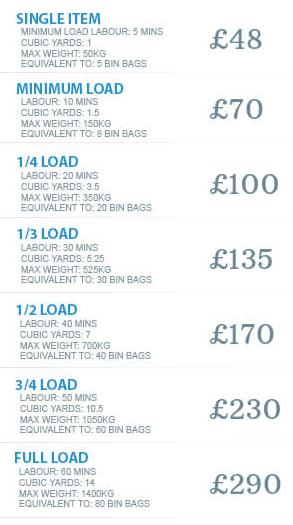
 Tipper Van - Rubbish Removal and Commercial Clearance Prices in Waterloo, SE1
 Luton Van - Rubbish Removal and Commercial Clearance Prices in Waterloo, SE1