SE1 bulky rubbish removal cost and booking tips
Posted on 12/10/2026

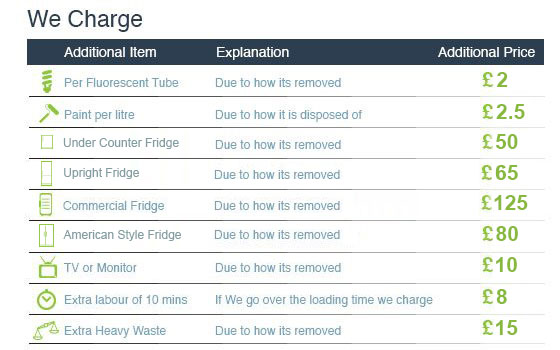
If you are staring at an old sofa in the hallway, a broken wardrobe in the bedroom, or a stack of boxed-up clutter that will not fit in the lift, you are probably asking the same thing everyone asks: how much will bulky rubbish removal in SE1 actually cost, and how do you book it without making a mess of the process? Fair question. The short answer is that the price depends on what you need removed, how quickly you need it done, and how easy it is to access the property. The booking part is usually simple enough, but a few smart choices can save you time, stress, and a surprising amount of money.
This guide breaks down SE1 bulky rubbish removal cost and booking tips in plain English. You will learn what affects pricing, how the service usually works in central London, when it makes sense to use a professional team, and the small details that often trip people up. It is practical, local, and written for real-life situations, not brochure copy.
Why SE1 bulky rubbish removal cost and booking tips Matters
SE1 is a busy part of London. There are flats above shops, period buildings with narrow staircases, modern blocks with tight loading windows, and streets where parking can turn a simple job into a logistical puzzle. That means bulky rubbish removal is rarely just about lifting a few items out the door. It is often about timing, access, labour, and making sure the service fits the building and the street.
For many people, the biggest issue is not even the waste itself. It is uncertainty. How much will it cost? Will the team need extra labour? Can they collect from a flat with no lift? What happens if the item is too large for a standard vehicle? These are the things that can change a quote faster than most people expect.
Booking tips matter because the way you describe the job affects the price you are offered. If you say "one sofa" but it is a three-seater sleeper sofa with no parking outside, that quote may not be realistic. On the other hand, if you provide clear details up front, you are much more likely to get a fair price and a smooth collection. Truth be told, a five-minute conversation at the start can save a half-hour headache later.
There is also a practical side to this. In SE1, bulky rubbish left in communal areas can annoy neighbours quickly and may cause safety or access problems. A prompt booking helps keep hallways clear, avoids that awkward "who left this here?" moment, and keeps things moving. Nobody wants a wardrobe leaning by the bins for three days. Nobody.
How SE1 bulky rubbish removal cost and booking tips Works
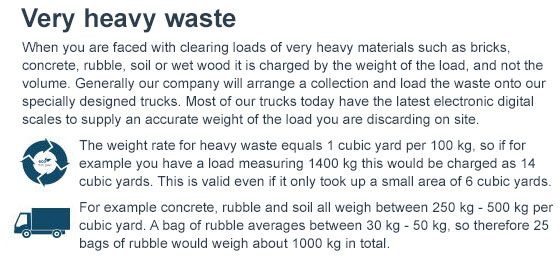
Most bulky rubbish removal services work in a fairly similar way. You explain what needs to go, the company estimates the load, and they quote based on volume, item type, labour, access, and disposal requirements. On the day, a team arrives, loads the items, and takes them away for sorting, reuse, recycling, or disposal where appropriate.
The pricing model is usually based on one or more of the following:
- Volume: how much space your items take up in the van
- Weight: heavier loads can cost more to process
- Item type: sofas, mattresses, white goods, and mixed loads may be priced differently
- Access: stairs, lift restrictions, distance from vehicle, and parking limitations
- Labour: the number of people needed to move the items safely
- Timing: same-day or urgent bookings can sometimes cost more
In a place like SE1, access matters a lot. A ground-floor pickup with room to park outside is one thing. A fourth-floor flat with a narrow staircase and a loading bay that only allows ten minutes at a time is another. The team may still manage it, of course, but that extra effort can affect the quote.
Booking is usually straightforward. You either enquire online or by phone, share a few photos, get a price estimate, and choose a collection window. Some providers also offer site visits for larger or less predictable jobs. If you are clearing a whole flat or office, that extra step can be worth it because it removes guesswork.
For a broader view of what a provider may offer, it can help to check a company's services overview before you book. If you are comparing a few different types of collection, that page can give you a clearer sense of what fits your job best.
Key Benefits and Practical Advantages
Professional bulky rubbish removal is not just a convenience. In the right situation, it is the cleanest and least stressful way to deal with large items that a normal bin collection will not take. You do not have to hire a van, wrestle with awkward furniture, or make multiple trips across town. And in SE1, where time and parking are rarely generous, that alone is a real benefit.
Here are the practical advantages most people notice:
- Speed: items are removed in one visit rather than over a weekend of DIY hauling
- Less physical strain: no dragging a sofa down stairs by yourself, which is rarely a good idea
- Cleaner finish: the space is left clear quickly, which helps if you are moving, renovating, or re-letting
- Better handling of mixed waste: furniture, appliances, and general junk can often be removed together if the provider accepts it
- More predictable disposal: a reputable operator should sort and process items appropriately rather than leaving you to guess where they go
There is also peace of mind. If you have ever tried to dispose of an old wardrobe on a rainy evening, you will know that "I'll sort it later" can turn into a damp, splintered mess by morning. A proper collection avoids that.
For items that still have usable life in them, it can be worth checking whether donation or recycling routes are possible. If your load includes furniture and household contents, the furniture disposal Waterloo page may also be useful for understanding how larger items are typically handled.
Who This Is For and When It Makes Sense
SE1 bulky rubbish removal is useful for more people than you might think. It is not just for full-scale clearances. Often, the job is small but awkward, and that is exactly where a paid service earns its keep.
This service tends to make sense if you are:
- moving home and need to clear large items before handover
- refurbishing a flat, office, or shop unit
- replacing a mattress, sofa, wardrobe, or old appliances
- clearing out a storage room, loft, garage, or spare bedroom
- managing a tenancy end and want the property left tidy
- dealing with a mixed pile of bulky junk that does not suit a council-style collection
It can also be the right choice if access is awkward. Many SE1 homes and buildings are not designed for large items to be moved in a simple straight line. Staircases curve. Lifts are small. Landings are narrow. Sometimes the lift is out of service at exactly the wrong time, because of course it is.
On the other hand, if you only have one small item and you are already hiring a van for another job, you may be better off comparing options carefully before booking. For some people, a small one-off load can be handled more economically through a local collection service, while others prefer the convenience of a full removal team. If you are weighing up broader waste options, the waste removal Waterloo page can help you understand how the service sits within a wider rubbish-clearance approach.
Step-by-Step Guidance
If you want a smooth booking and a sensible price, it helps to treat the job like a mini project. Nothing complicated. Just a clear sequence.
- List the items. Write down what needs removing, including any awkward pieces such as bed bases, wardrobes, table tops, or white goods.
- Take clear photos. Snap the items from a few angles. Include stairs, hallways, lifts, or parking if they affect access.
- Check dimensions if needed. A rough size estimate can be enough, but for oversized items, approximate length and width helps a lot.
- Separate what can stay. If you are keeping smaller boxes or items, move them out of the way before the crew arrives.
- Ask what is included. Make sure the quote covers labour, loading, disposal, and any possible surcharges.
- Choose a realistic collection window. SE1 traffic and access can be unpredictable. Give yourself some breathing room.
- Confirm payment and access details. Be clear about who will meet the team, how they enter the building, and where the items are located.
- Prepare the area. Move fragile items, unlock gates if necessary, and keep the route to the waste as clear as possible.
One small but important point: if you are booking around other work, such as a moving day or a kitchen fit, leave a little buffer. Collections have a habit of overlapping with everything else in a property. That morning rush can get hectic fast.
For larger clearances, especially if you are removing builder's debris or renovation waste, the details can differ. In those cases, a specialist service such as builders waste clearance Waterloo may be a better fit than a general bulky-item pickup.
Expert Tips for Better Results
Here is the part people usually wish they had known earlier. The best price is not always the lowest number on the screen. The best result is the one that fits the job properly and does not need a second call because something was missed.
Tip 1: Send photos early. Good photos reduce back-and-forth and help the provider judge size and access more accurately. A picture of the item next to a doorframe or stairwell is often more useful than a long description.
Tip 2: Mention awkward access immediately. If the collection point is via a basement, side alley, narrow stairwell, or controlled entry system, say so at the start. That does not mean the job is difficult. It just means the quote can be accurate.
Tip 3: Ask what counts as bulky waste. Some items may need special handling, especially appliances, mattresses, or anything that contains electrical components. Better to ask than assume. To be fair, "bulky rubbish" is one of those phrases that sounds obvious until you need the fine print.
Tip 4: Book before the room becomes unmanageable. The earlier you clear the larger items, the less likely they are to block access or slow down other work. A cluttered flat gets harder to manage by the day, not easier.
Tip 5: Consider whether sorting first could reduce cost. If you can separate reusable items, recycling, and general waste, you may make the job easier and possibly more efficient. Not every provider prices this way, but neat prep rarely hurts.
Tip 6: Keep a little flexibility. In SE1, traffic, loading restrictions, and building rules can affect timing. A collection that starts ten minutes later than planned is not unusual. Annoying? Yes. Catastrophic? Usually not.
If sustainability matters to you, it can also be worth asking how collected items are handled after pickup. Some providers give recycling and reuse a proper place in the process. The recycling and sustainability page is a useful reference if you want to see how this part of the service is approached.
Common Mistakes to Avoid
Most problems with bulky rubbish removal are avoidable. They usually come from rushed bookings, vague descriptions, or underestimating how much access affects the job.
- Giving a vague item list: "A few bits and pieces" is not much help when one of those bits is a heavy wardrobe.
- Forgetting access issues: no lift, narrow stairs, locked gates, or limited parking can all change the job.
- Assuming everything is accepted: some items need special handling or separate arrangements.
- Not checking what the quote includes: a cheap-looking price may not include labour or disposal.
- Leaving booking too late: a same-day scramble can still work, but it reduces your options.
- Mixing unrelated waste streams: builder's waste, household junk, and reusable furniture are not always priced the same way.
The sneaky mistake, honestly, is underestimating volume. One sofa sounds small. Then there is the armchair, the side table, the broken chest of drawers, and suddenly the van load is far from tiny. Happens all the time.
If you want to understand how different clearance types compare, it may help to look at the rubbish clearance Waterloo page as well. That gives a broader sense of how a full clearance differs from a more focused bulky-item pickup.
Tools, Resources and Recommendations
You do not need special equipment to book bulky rubbish removal, but a few simple tools make the process cleaner and faster.
- Phone camera: take clear photos of items and access routes
- Measuring tape: useful for large furniture or tight hallways
- Notepad or notes app: keep the item list and questions in one place
- Building access details: entry codes, concierge instructions, or loading bay rules
- Calendar reminder: helps you avoid missed collection windows
When comparing providers, look beyond the headline price. Ask how they estimate volume, whether they handle heavy lifting, and what happens if the load turns out to be slightly bigger than expected. Good communication is worth more than a polished website. A very neat website can still be, well, not very useful if the booking process is messy.
If you are clearing a home rather than a single bulky item, this may also be a good moment to explore related services such as house clearance Waterloo or garage clearance Waterloo. Those options can sometimes fit a bigger job better than a one-off collection.
And if you are in the planning stage, a simple but effective habit is to ask one question before booking: "What would make this job more expensive?" That one line often reveals the real cost drivers.
Law, Compliance, Standards, and Best Practice
Bulky rubbish removal may feel like an everyday service, but it still sits within a framework of proper waste handling. In practice, that means the provider should handle, transport, and dispose of waste responsibly, and you should be careful about who you hand the job to.
As a customer, the safest approach is to choose a provider that is clear about:
- what kinds of waste they accept
- how they transport it
- whether they sort items for reuse or recycling where possible
- how they manage safety during lifting and loading
- what information they need from you before collection
It is also sensible to keep records of what was collected, especially for landlord, commercial, or tenancy-related jobs. If you ever need to show that clearance was completed, having the booking details and item list can be useful.
For safety and professionalism, many customers also want reassurance on insurance and handling standards. That is a fair request. If you are comparing providers, the insurance and safety page is a sensible place to check how those concerns are addressed.
Best practice in this area is pretty straightforward: be honest about the waste, be clear about access, and use a provider that explains the service properly. If something seems vague, ask again. Better to ask a slightly awkward question now than to discover a problem on collection day.
Options, Methods, or Comparison Table
There is no single right way to remove bulky rubbish in SE1. The best option depends on how much you have, how quickly it needs to go, and whether access is simple or a bit of a faff. Here is a simple comparison.
| Method | Best for | Pros | Limitations |
|---|---|---|---|
| Bulky rubbish removal service | One-off large items, mixed furniture, quick turnaround | Fast, convenient, minimal lifting for you | Price can vary with access and volume |
| Skip hire | Longer projects with ongoing waste | Good for repeated loading over time | Needs space, permits may be needed, not ideal for tight SE1 streets |
| DIY van hire | People with transport and spare time | Can be economical for the right job | Manual labour, fuel, parking, disposal logistics |
| Specialist clearance | Large property clearances, offices, or complex loads | Better for bigger or mixed jobs | May be more than you need for a single item |
If your job is small but annoying, a removal service often wins. If your property is being emptied room by room, a wider clearance option may be the better fit. And if you are only getting rid of one item, it is worth comparing costs carefully before you commit. Sometimes the simplest choice really is the right one.
Case Study or Real-World Example
Picture a fairly typical SE1 scenario. A couple in a third-floor flat near a busy street are replacing a worn sofa and a heavy coffee table before a weekend viewing. The sofa is too large for the lift, the stairwell turns sharply halfway down, and parking outside is limited to a short loading slot.
They send photos of the furniture, the stairs, and the building entrance. They also mention that the sofa has a solid frame and needs two people to move it safely. That detail matters. The provider quotes based on the items, the access, and the likely labour required. No drama, no surprises.
On collection day, the team arrives with the right equipment, protects the route where needed, and removes both pieces in one visit. The flat is clear in under an hour. The couple avoids a van hire, avoids a scratch on the stairwell wall, and gets the viewing prep back on track. Simple, but effective.
That is the kind of job where a little planning pays off. Not because the task is complicated in theory, but because the building is doing half the work against you. SE1 has a lot of properties like that. Charming, yes. Easy to move furniture through? Not always.
If your own project is more storage-led or furniture-heavy, a related service such as loft clearance Waterloo can be useful where bulky items are tucked away above the main living space.
Practical Checklist
Use this before you book. It keeps the process tidy and helps avoid those small but annoying surprises.
- List every item that needs removing
- Take clear photos of the waste and access route
- Note whether there is a lift, stairs only, or restricted access
- Check for parking, loading, or building entry limitations
- Ask what is included in the quote
- Confirm whether the provider can handle your item types
- Ask about timing, same-day availability, and collection windows
- Prepare a clear path to the items
- Separate anything you want to keep
- Keep booking details and payment information handy
If you have done all of that, you are already ahead of most people. Honestly, you probably saved yourself one future phone call already.
Get a free quote today and see how much you can save.
Conclusion
SE1 bulky rubbish removal cost and booking tips come down to one thing: clarity. The more clearly you describe the items, the access, and the timing, the easier it is to get a fair quote and a smooth collection. In a part of London where parking, staircases, and building access can change everything, that bit of planning really matters.
The good news is that most bulky removals are straightforward once the details are sorted. A few photos, a short item list, and a realistic look at access usually go a long way. From there, you can compare options, book confidently, and get the space back without turning the job into an all-day saga.
And once the clutter is gone, the room feels different. Quieter somehow. Bigger too. That part never gets old.


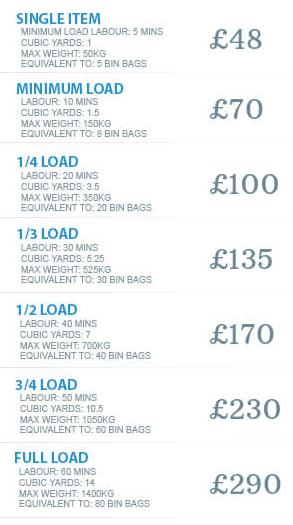
 Tipper Van - Rubbish Removal and Commercial Clearance Prices in Waterloo, SE1
 Luton Van - Rubbish Removal and Commercial Clearance Prices in Waterloo, SE1